



Why Staying Safe Around Water Is Vital This Summer
Around 60% of accidental drownings in the UK occur at inland water sites such as rivers, reservoirs, canals and lakes, including former quarry lakes and water-filled voids created by mineral workings. With the UK set for an 'extremely hot' summer, it is vital to understand and share water safety advice to help prevent avoidable incidents.
Every year, Brett supports the Mineral Products Association's (MPA) Stay Safe campaign, which helps raise awareness of the risks associated with inland waters and provides practical guidance on how to stay safe, as well as what to do if you or someone else needs assistance.
Avoid water in active or disused quarries
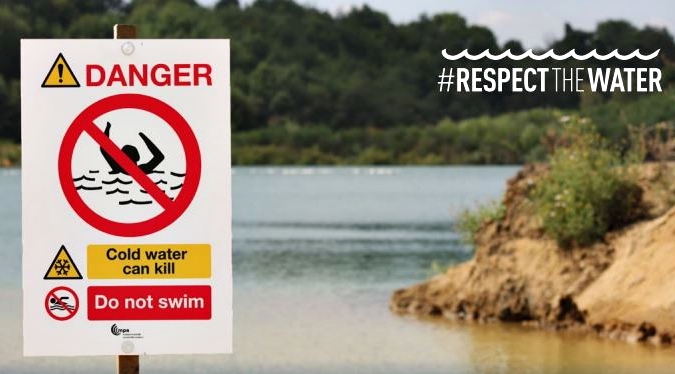
One type of water body the MPA strongly advises people to avoid is quarries, where water can be extremely deep and deceptively cold. Sudden changes in depth, steep shelving, and unstable or crumbling sides can make it difficult to leave the water safely.
Beneath the surface, submerged machinery and rocks can pose a risk to swimmers and those entering the water, while powerful currents created by underwater pumps can make conditions even more challenging.
Cold water shock can affect anyone
Sudden immersion in cold water can cause people to gasp involuntarily and inhale water, while the rapid change in body temperature can trigger an increased breathing rate and feelings of panic. Together, these reactions can quickly create a serious situation, even for strong and experienced swimmers.
Even in mid-summer, many quarry lakes remain well below 15°C. Such temperatures can lead to cold water shock, finger stiffness that makes climbing out more difficult, reduced coordination, and general muscle weakness.
If you see someone in difficulty
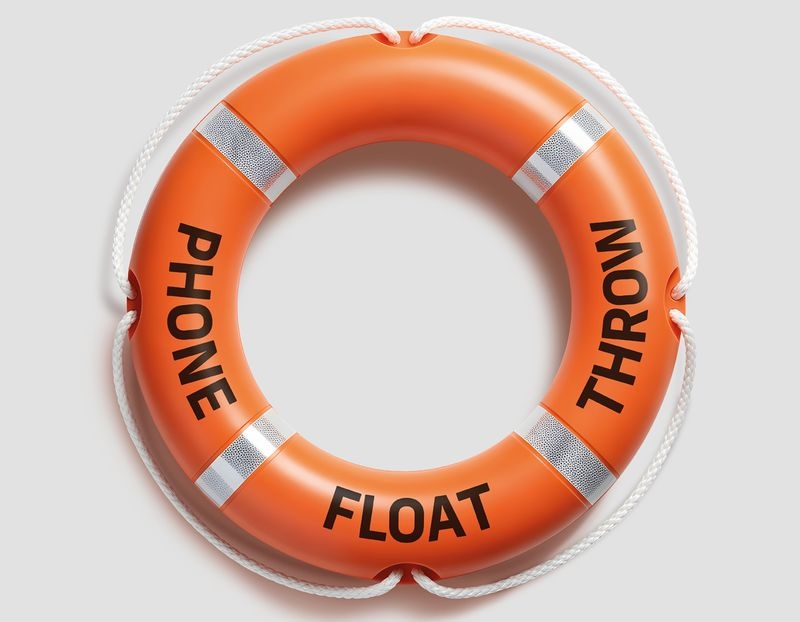
If you see someone in difficulty in the water, the MPA advises that you act while keeping yourself safe and remember three simple steps: Phone, Float, Throw.
PHONE – Call 999 and ask for help.
FLOAT – Encourage them to stay calm and float on their back.
THROW – Throw them something that floats to provide support until the emergency services arrive. Do not enter the water yourself.
If you find yourself in difficulty
If you find yourself in difficulty in the water, you are advised to 'Float to Live' by following these five steps:
- Tilt your head back and submerge your ears.
- Relax and try to control your breathing.
- Move your hands and legs to help you stay afloat.
- Your legs may sink, but that's OK – everyone floats differently.
- Call for help and wait for emergency services to arrive.
The MPA is the trade association for the minerals industry and offers a range of resources to help educate people on how to stay safe around water. To learn more, visit the Stay Safe area on the MPA website: Stay Safe This Summer