



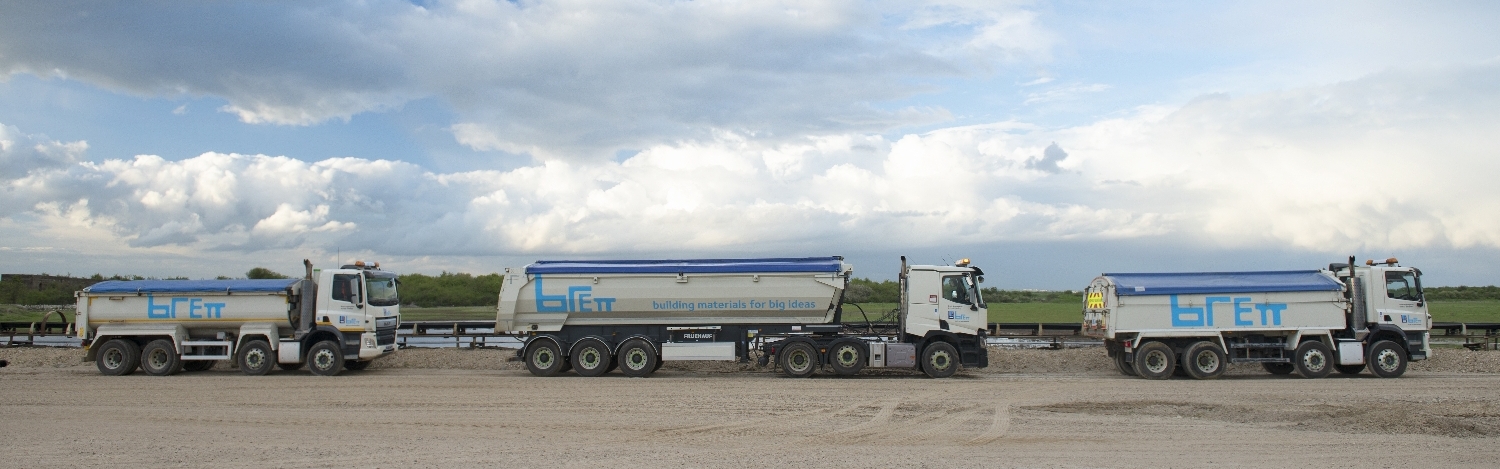
Brett Aggregates Demonstrates The Role Of Hydrogen In Replacing Diesel Power In Aggregate Production
Brett Aggregates has demonstrated how hydrogen-powered generators can reliably replace diesel across a range of construction and quarrying energy demands, highlighting the technology’s potential to support the sector’s transition toward lower-carbon operations.
The UK construction industry accounts for a significant share of national emissions and air pollution, making the adoption of cleaner energy solutions critical to meeting long-term net-zero ambitions. As the sector works to decarbonise activities that have traditionally relied on diesel-powered machinery and generators, hydrogen is emerging as a viable alternative for both mobile plant and on-site power generation.
Working in collaboration with hydrogen fuel cell specialist AFC Energy and battery energy storage manufacturer Energy Solutions, Brett Aggregates has deployed hydrogen-powered generation systems in live operational environments.
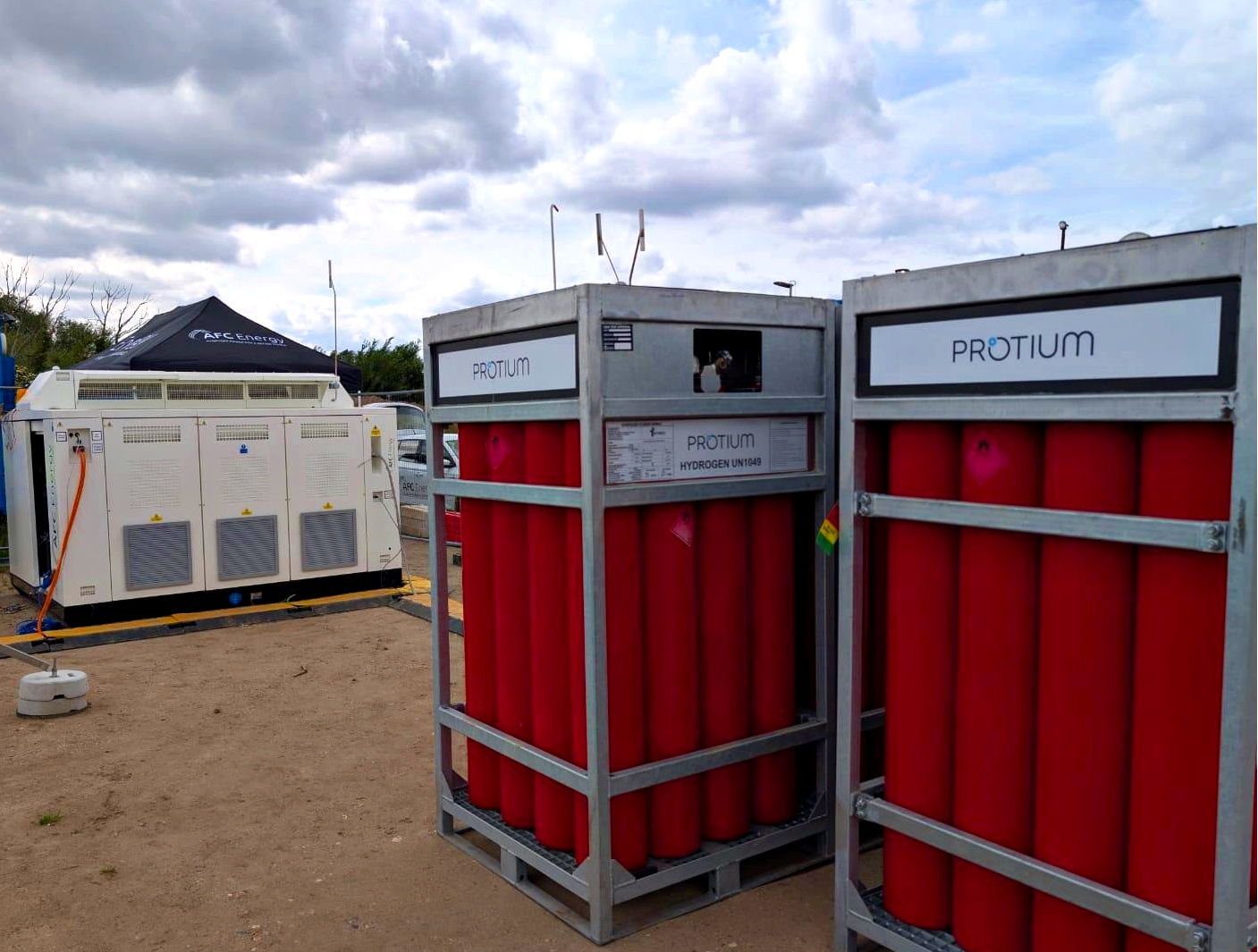
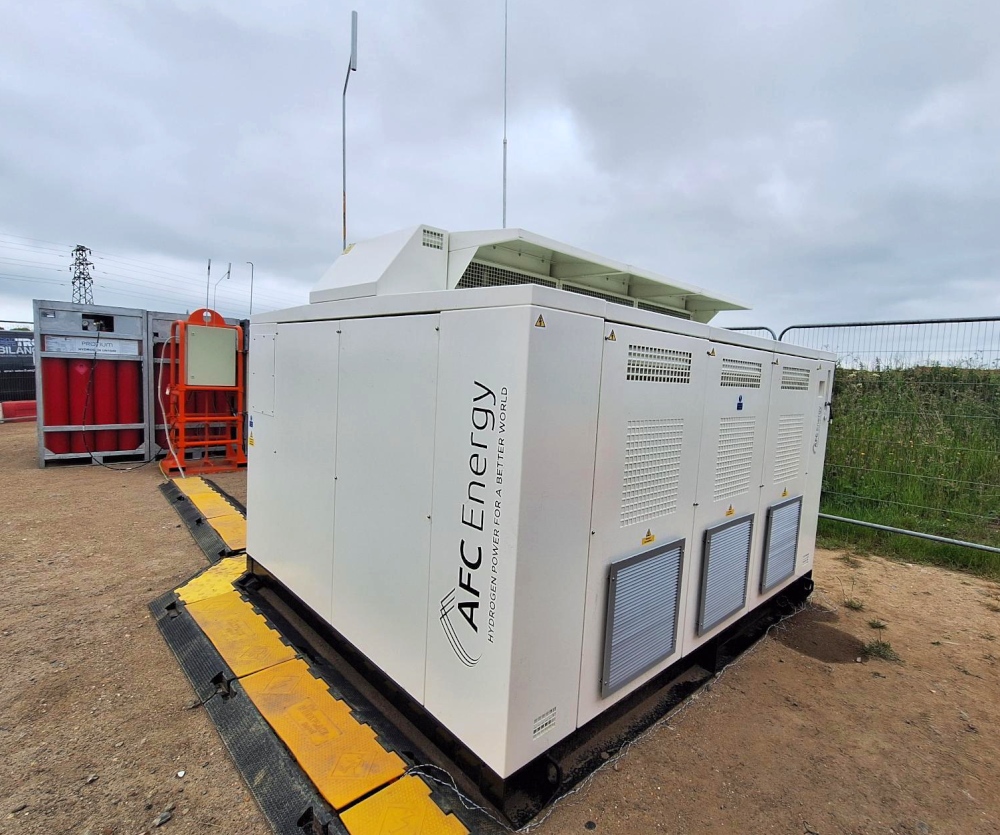
The deployment demonstrated hydrogen’s ability to meet both lower and higher power requirements typically served by diesel generators. In one application, hydrogen power supported weighbridge operations, while in another it supplied continuous energy to demanding quarry infrastructure, including aggregate conveying and pumping systems. Across both use cases, the hydrogen generators operated reliably alongside battery energy storage, delivering uninterrupted power while eliminating on-site emissions associated with diesel use.
Phil Coupland, Managing Director at Brett Aggregates, said “As the industry looks to reduce its carbon emissions, there will be greater adoption of technologies such as hydrogen that can provide clean, reliable power and reduce reliance on diesel. Demonstrating how these systems perform in real operating conditions is essential and the learnings from this work give us confidence in how hydrogen can be deployed to reduce on-site emissions where appropriate.”
Emma Burrow, Project Manager – Special Projects at AFC Energy, commented “This work validated real-world use cases for our hydrogen fuel cell generator platforms and showed how scalable, modular solutions can be deployed today to replace diesel across a range of applications. By combining fuel cell technology with hydrogen carrier conversion and energy storage, it is possible to deliver zero-emission power solutions that are not only sustainable, but commercially viable.”
Together, the outcomes from this collaboration highlight how hydrogen-powered generation can play a practical role in the construction sector’s energy transition, supporting cleaner, more resilient site operations without compromising performance or reliability.